Witness
26 September - 8 November 2026
Focus gallery, ara contemporary, Jakarta, Indonesia
Miranda Mazuki's practice engages with notions of decline, unfamiliarity, and ephemerality, shaped indirectly by histories of migration and displacement. In her work, she foregrounds the tensions between absence and presence through repeated acts of layering and erasure. While erasure typically removes and leads to absence, she employs the technique to allow imagery and presence to emerge, albeit an unstable one. Grounded in this process, her drawings on paper and paintings on canvas evoke ethereal landscapes and indeterminate forms that resemble the nature of memories: altered by time, subject to erosion, and resistant to precise description. This elusiveness also reflects her experience of living between places and cultures, where her sense of origin and belonging remains unsettled. Figures and landscapes are subdued into abstraction, functioning less as representations than as metaphoric constructions of displacement and dissolution.
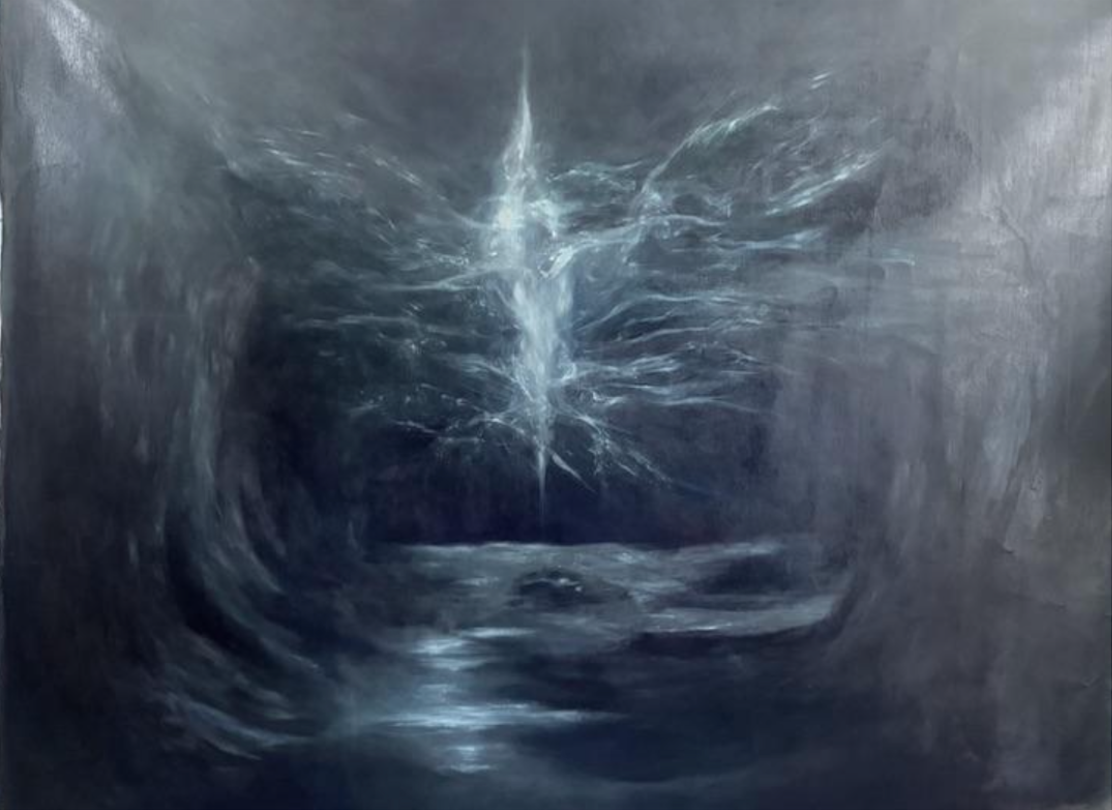
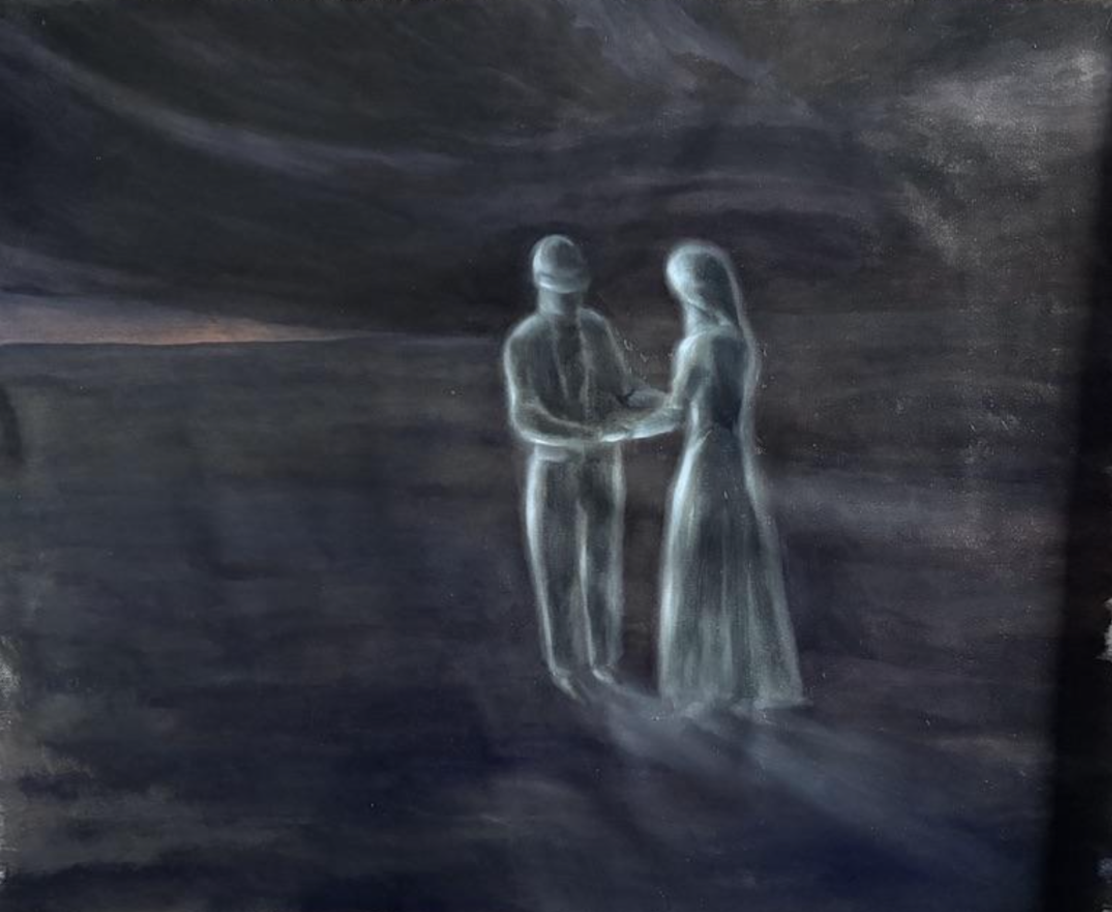
This approach continues in her new series of paintings for her first solo exhibition, Witness, where viewers are positioned as witnesses. The paintings depict scenes and landscapes largely situated within nocturnal settings. For Mazuki, the nocturnal evokes darkness and uncertainty, something somewhat apocalyptic, but also intimate—as if witnessing a moment that is private and somewhat forbidden. When night disrupts our ordinary ways of seeing, we do not necessarily stop seeing; rather, we see incompletely. Under these conditions, landscapes lose their descriptive certainty, as seen in Goa and Yearn, while figures become indistinct, as in Final Recit and Evening Stroll. In Dancing Away the Apocalypse andSummon, however, the figures are stripped of intimacy and familiarity, both in their settings and appearance.
Mazuki has pointed to biblical imagery as a reference, describing it as a humbling form of representation. The biblical, for her, holds together fear, hope, and mercy, offering a mode of imagining human vulnerability that contrasts with the contemporary emphasis on scientific advancement and the pursuit of what lies beyond established limits. Her engagement with art-historical references can be seen in First Steps, in which Mazuki draws from Jean-François Millet's First Steps (1859–66), a drawing that later became the basis for Vincent van Gogh's First Steps (After Millet) (1890). Mazuki shared that most of the paintings in the exhibition were developed from image references, which she processed through both biblical and historical lenses.
Drawing from her personal experience, in which a cancer diagnosis brought about a sense of doom, the biblical references offer a belief in mercy and the possibility of a second chance. In contrast, the historical references point to events that have already passed, which, for Mazuki, become a reminder that hardships, too, will eventually pass—even when loss is part of the outcome. These two distinct references also create temporal tension between anticipation and aftermath. Through these biblical and historical references, Mazuki's paintings enter into a longer history of images concerned with human vulnerability, while reconfiguring them through her own exploration of perception and uncertainty.
Erasure continues to play an important role here, not simply as an act of removal, but as a means of creating illumination and depth. Emerging from the thickness of the underpainting, the erased areas bring landscapes and figures into view only partially, hovering between recognition and obscurity. In this sense, erasure becomes paradoxically generative: what is removed is also what allows the image to appear. This process resonates with the paintings' nocturnal settings, in which visibility is similarly produced through limitation. The paintings therefore occupy an unstable threshold between absence and presence. To witness, in Mazuki's paintings, is then to acknowledge a presence without fully possessing or understanding it.
Artists
Artworks
Miranda Mazuki
Goa
2026, oil on canvas, 144 x 190 cm
Miranda Mazuki
Final Recit
2026, oil on canvas, 68.5 x 90 cm
Miranda Mazuki
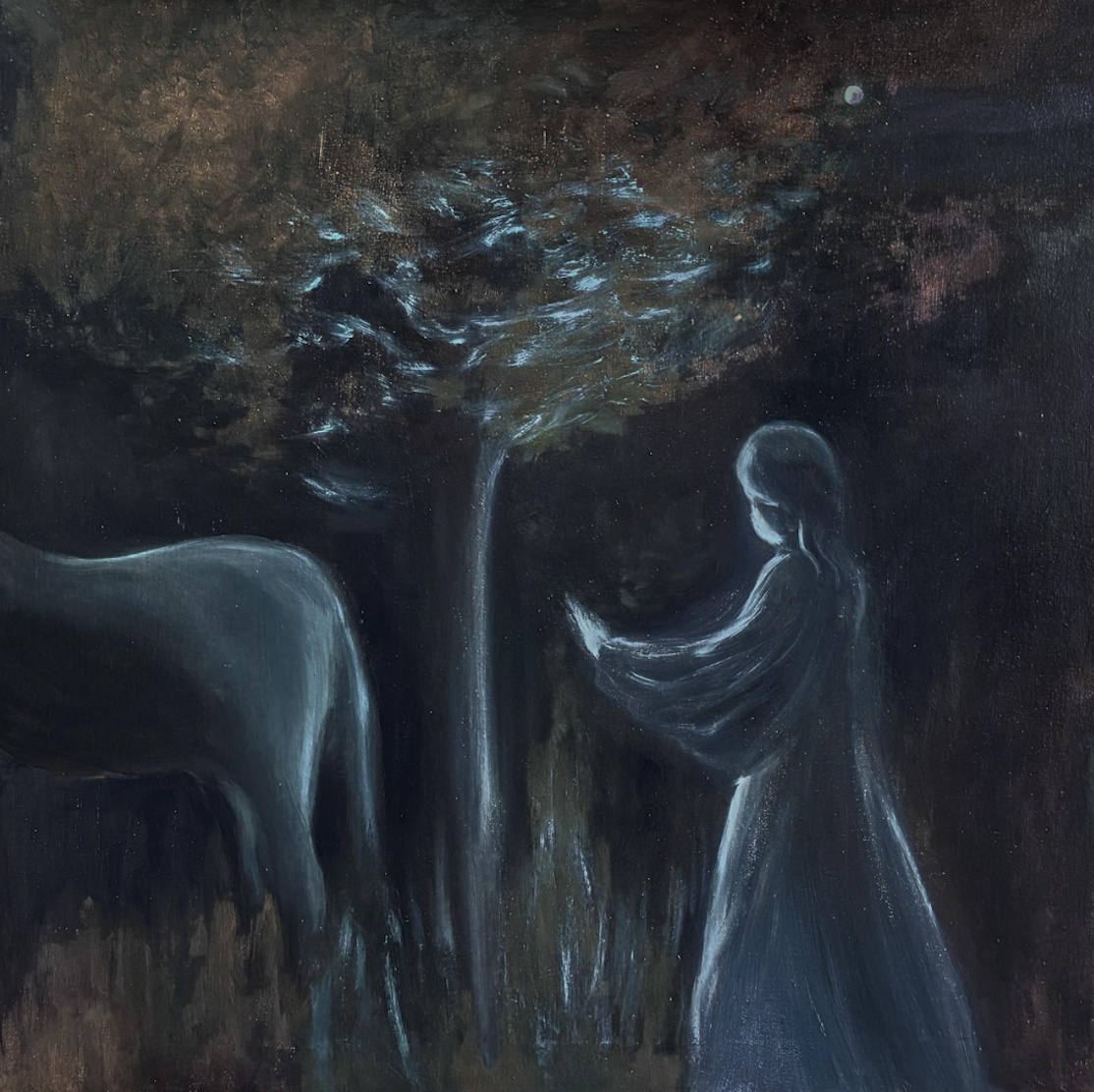
Luminesce
2026, oil on canvas, 60 x 60 cm
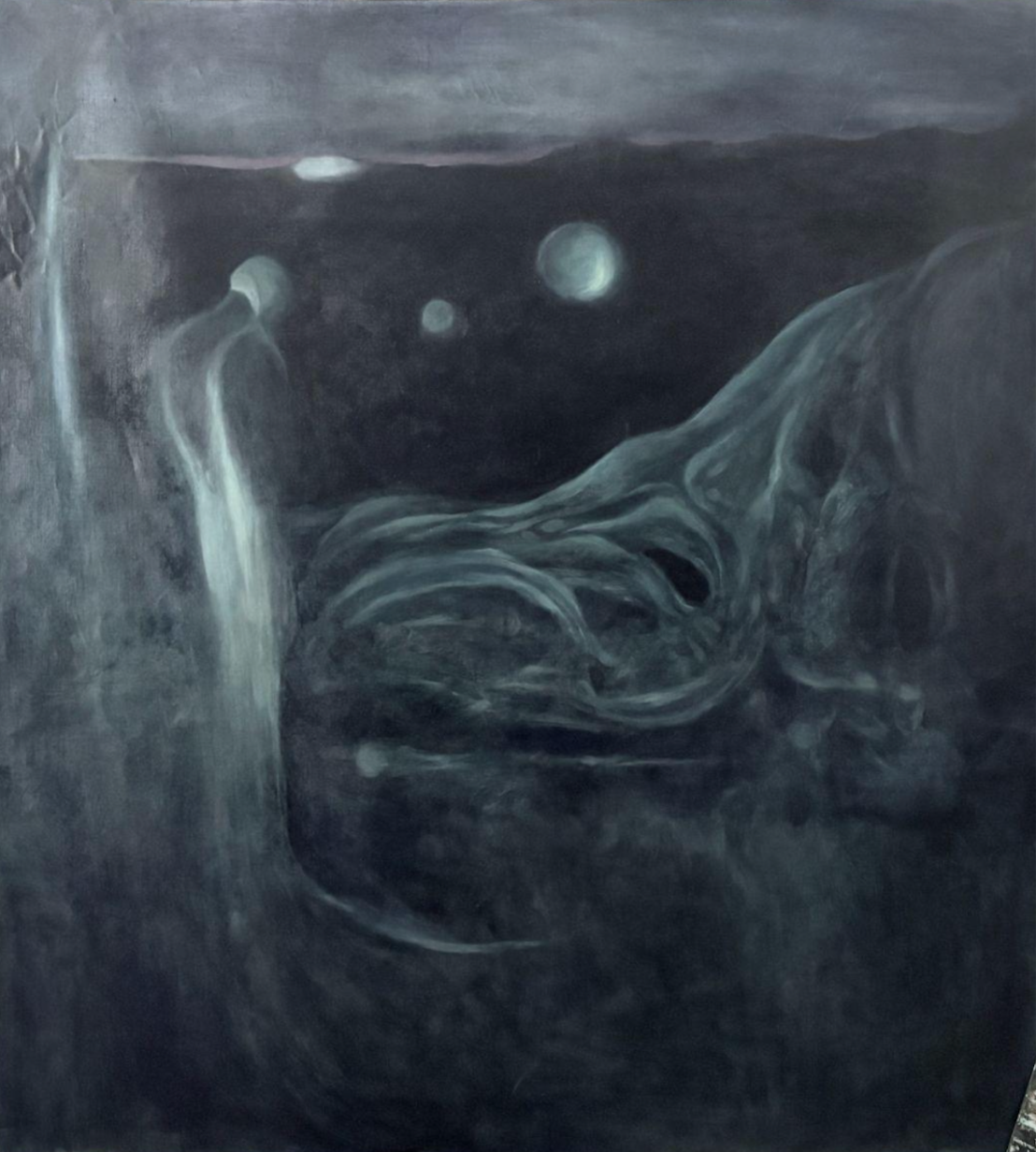
Miranda Mazuki
Yearn
2026, oil on canvas, 158 x 144 cm
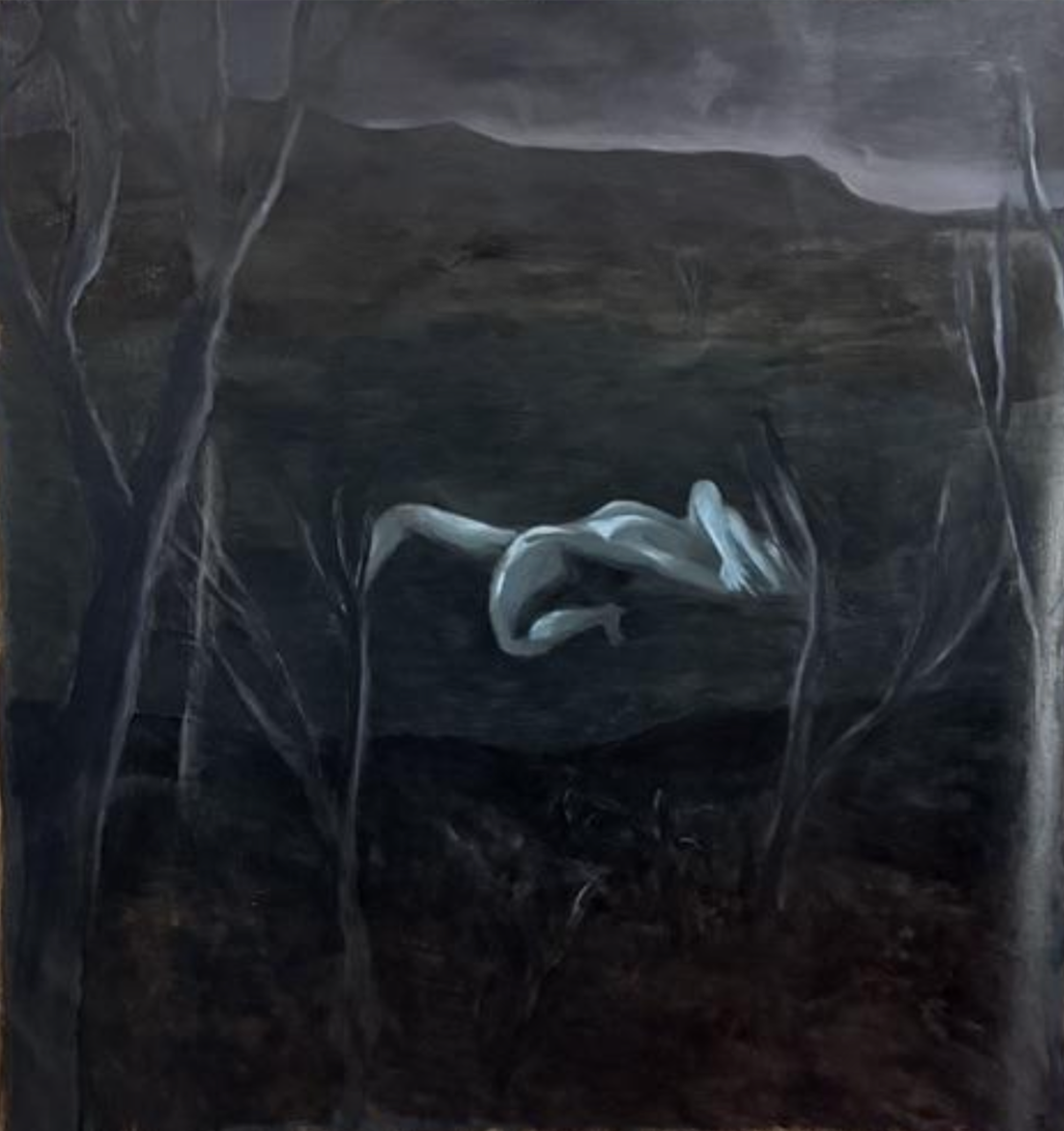
Miranda Mazuki
Agony
2026, oil on canvas, 130 x 120 cm
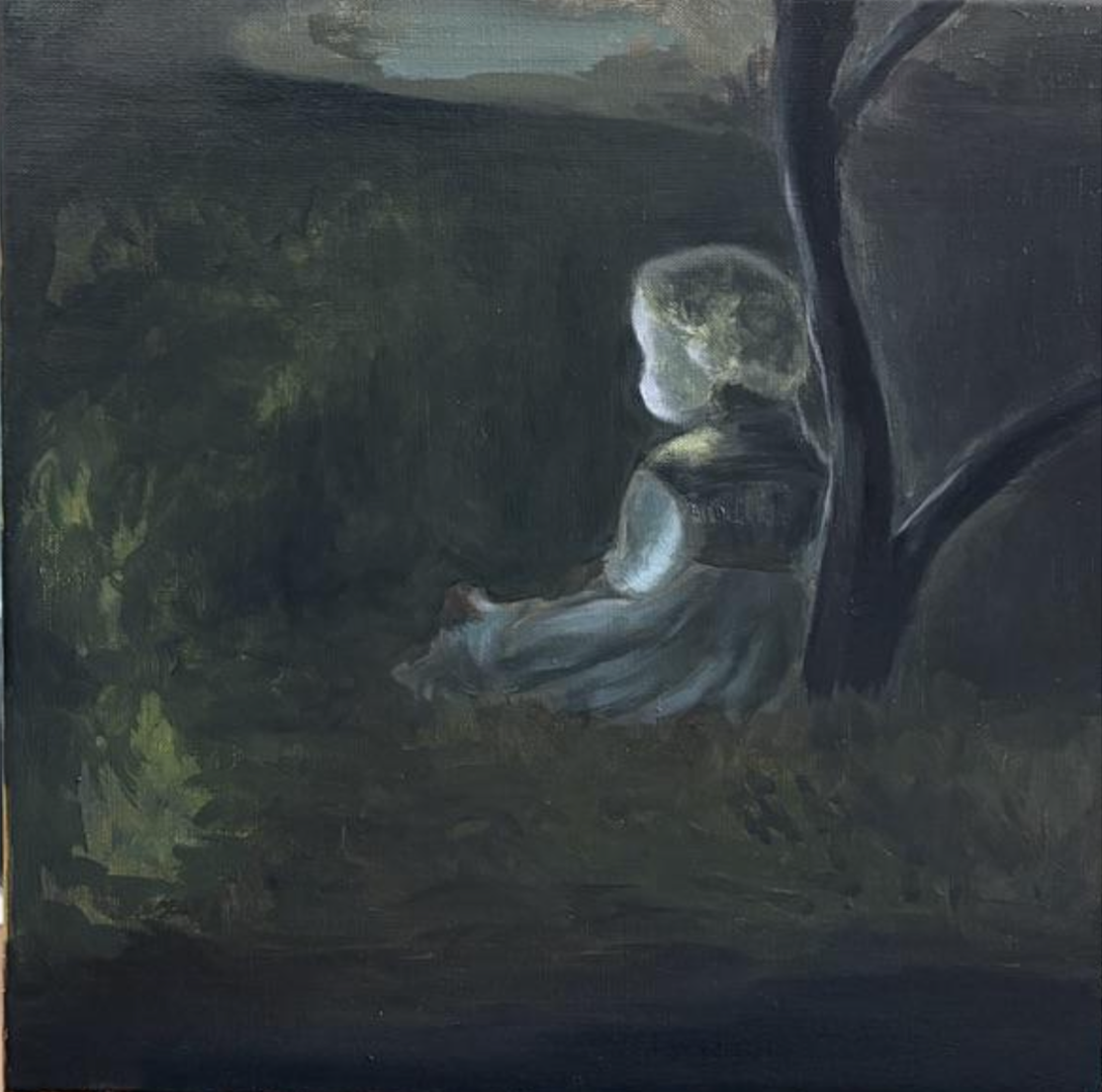
Miranda Mazuki
Lettimng Go
2026, oil on canvas, 40 x 40 cm
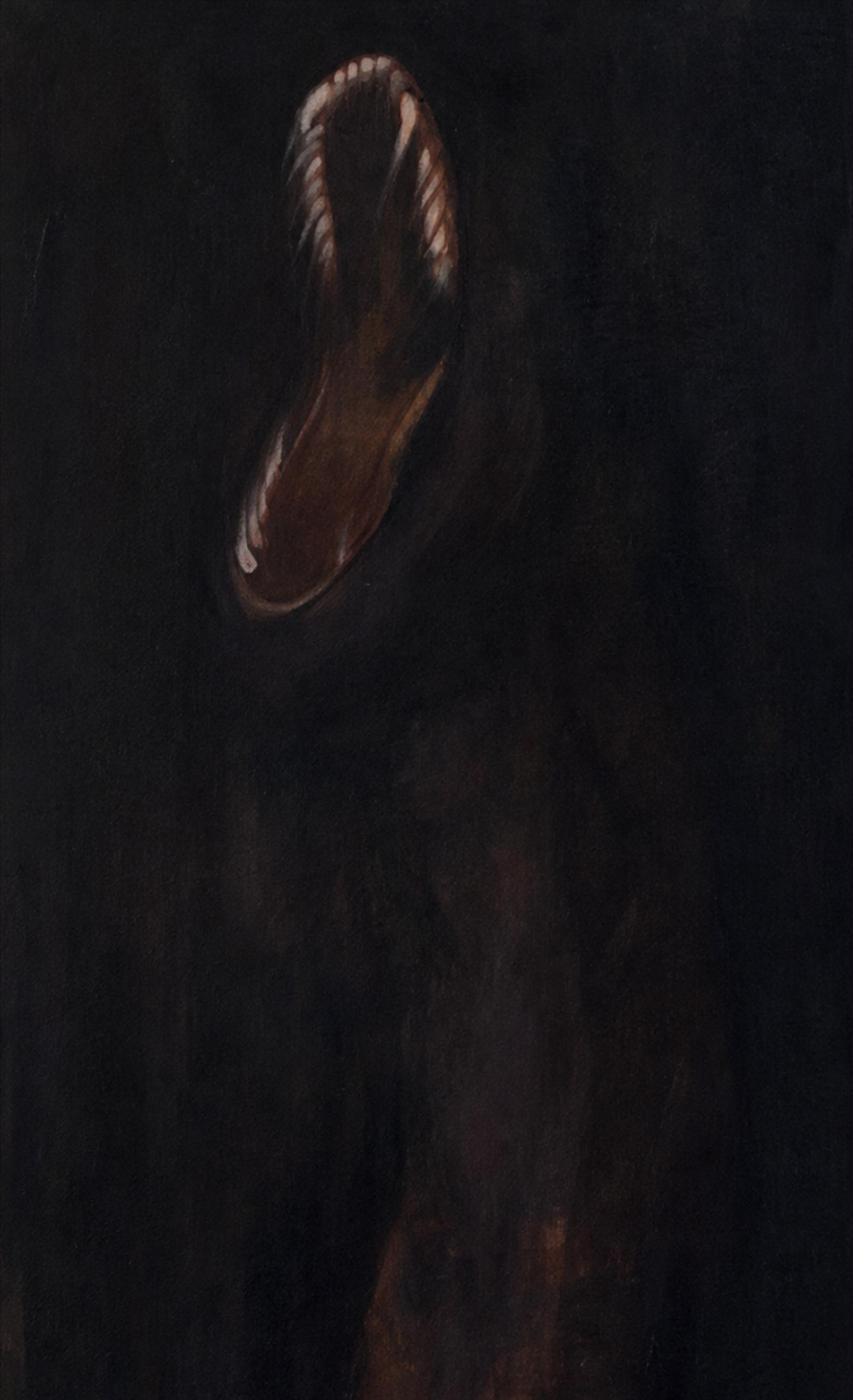
Miranda Mazuki
Ambivalence
2026, oil on canvas, 80 x 38 cm
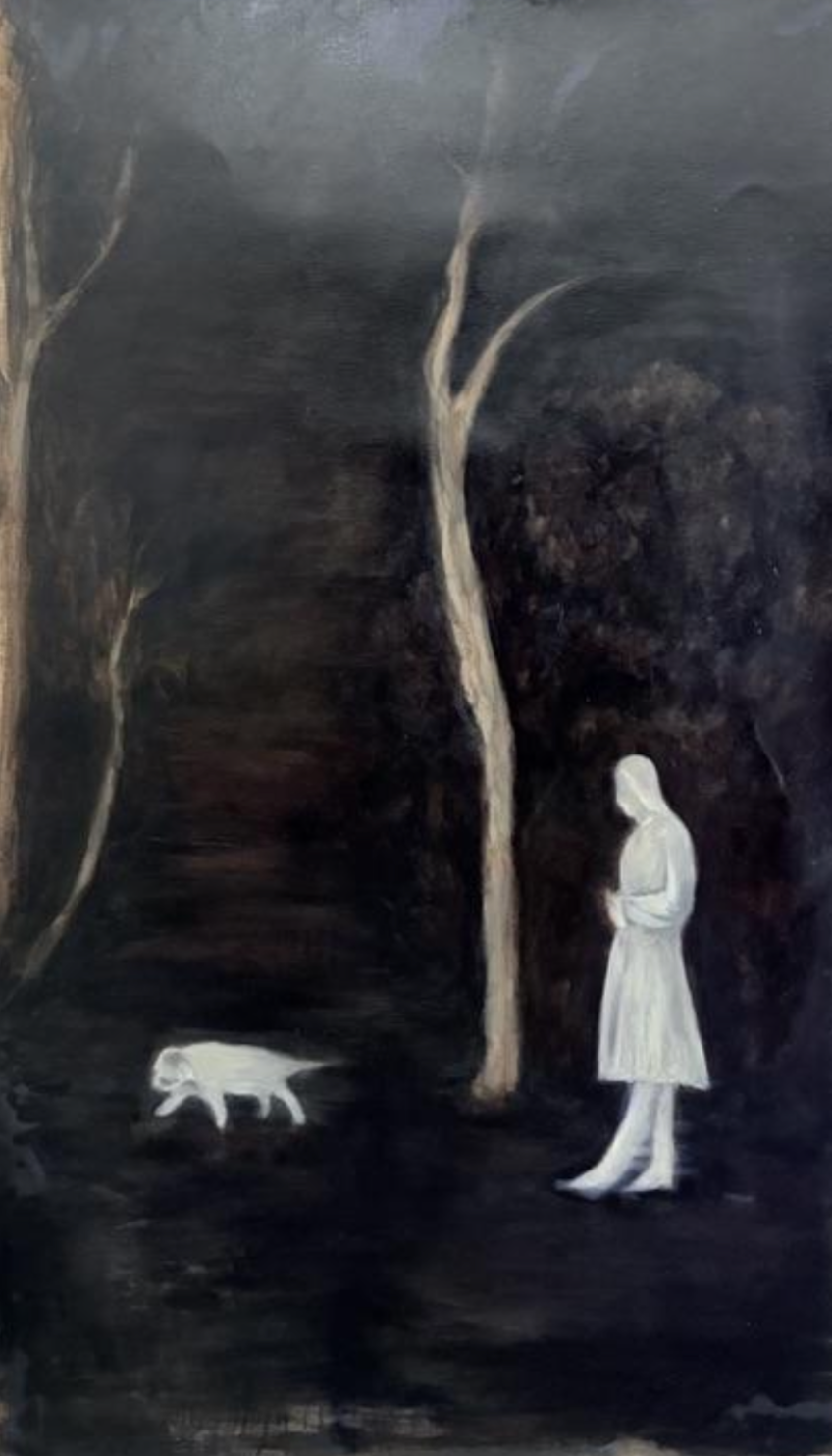
Miranda Mazuki
Evening Stroll
2026, oil on canvas, 120 x 68.5 cm
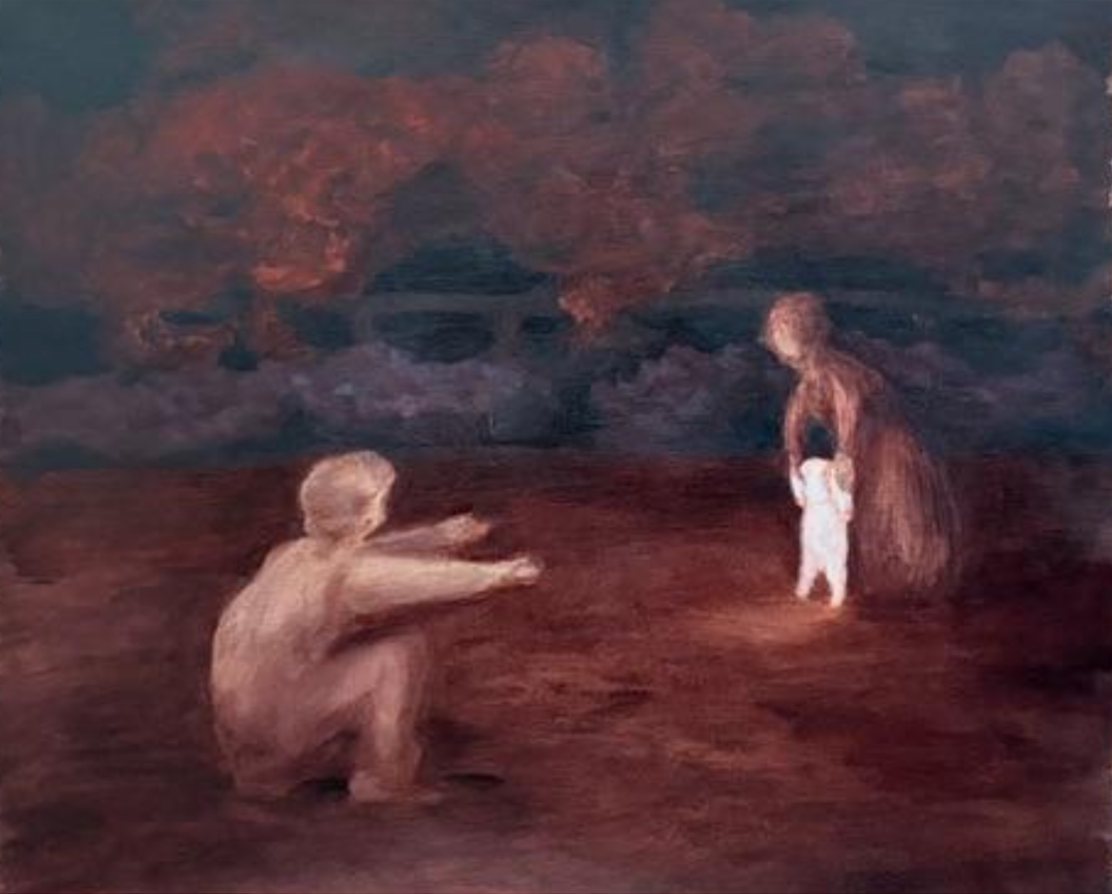
Miranda Mazuki
First Steps
2026, oil on canvas, 50 x 70 cm
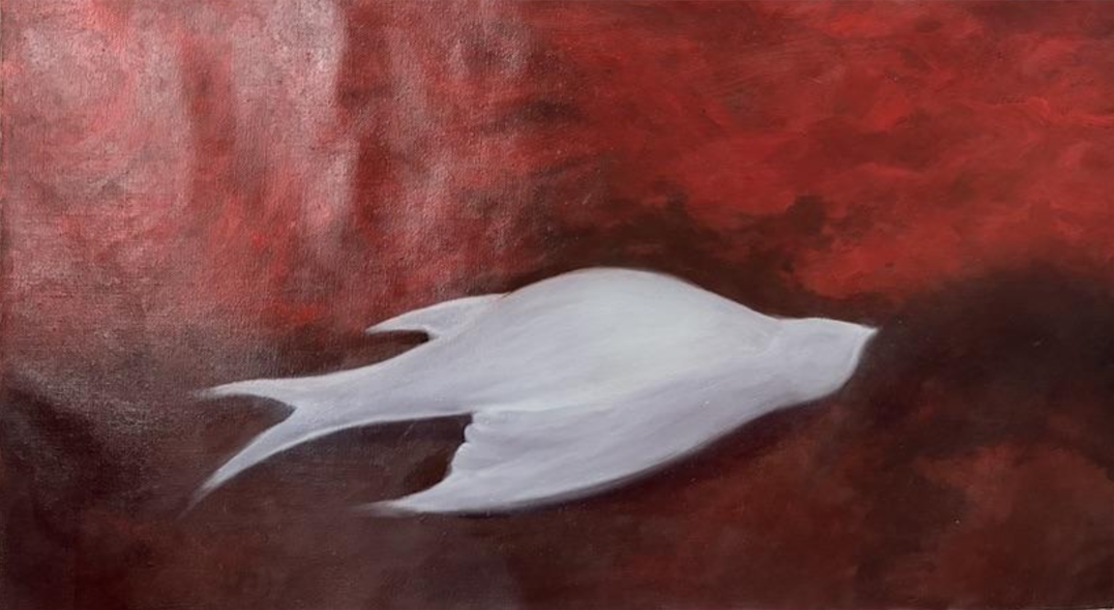
Miranda Mazuki
Respite
2026, oil on canvas, 44 x 77 cm
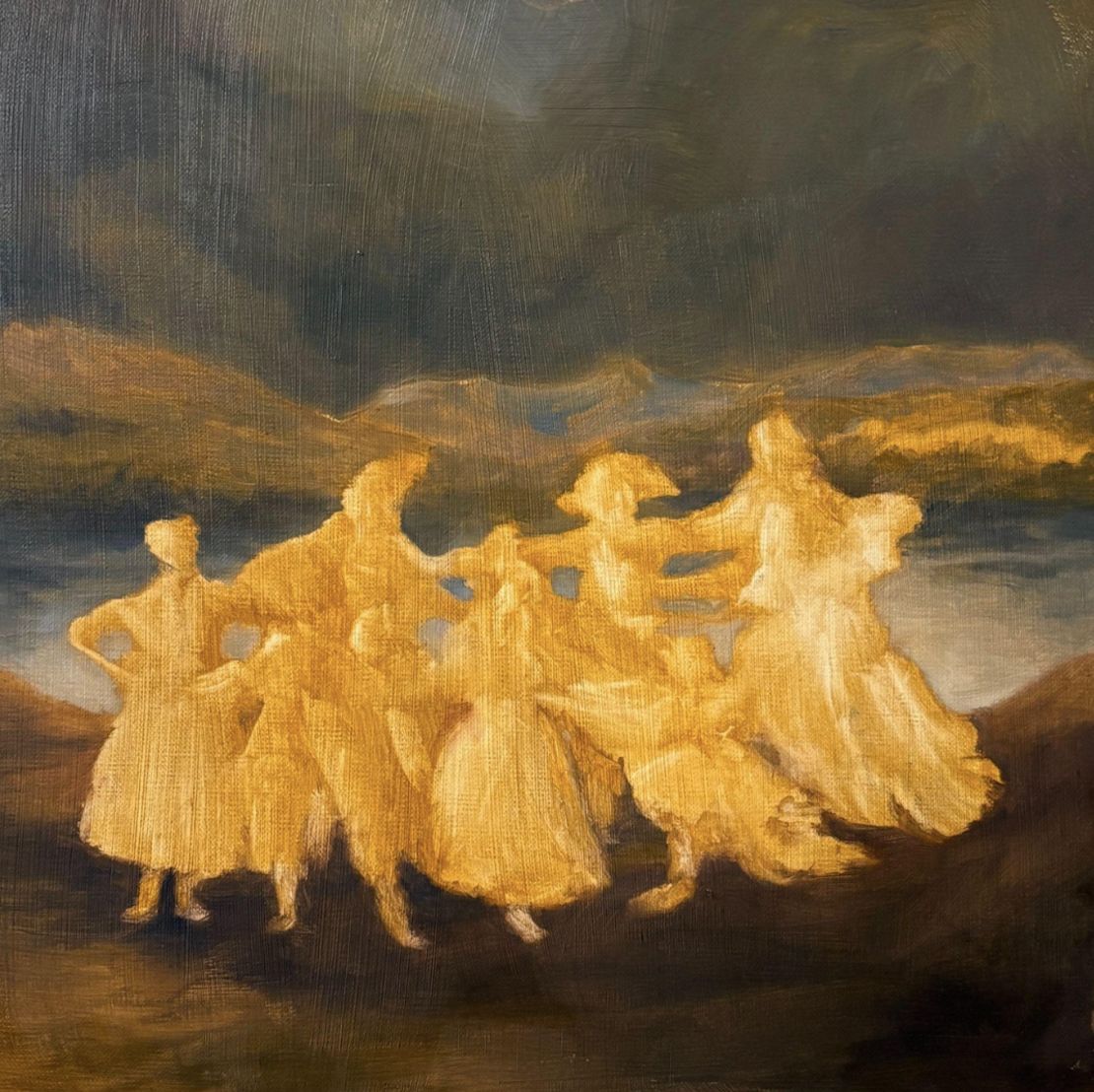
Miranda Mazuki
Dancing Away The Apocalypse
2026, oil on canvas, 40 x 40 cm
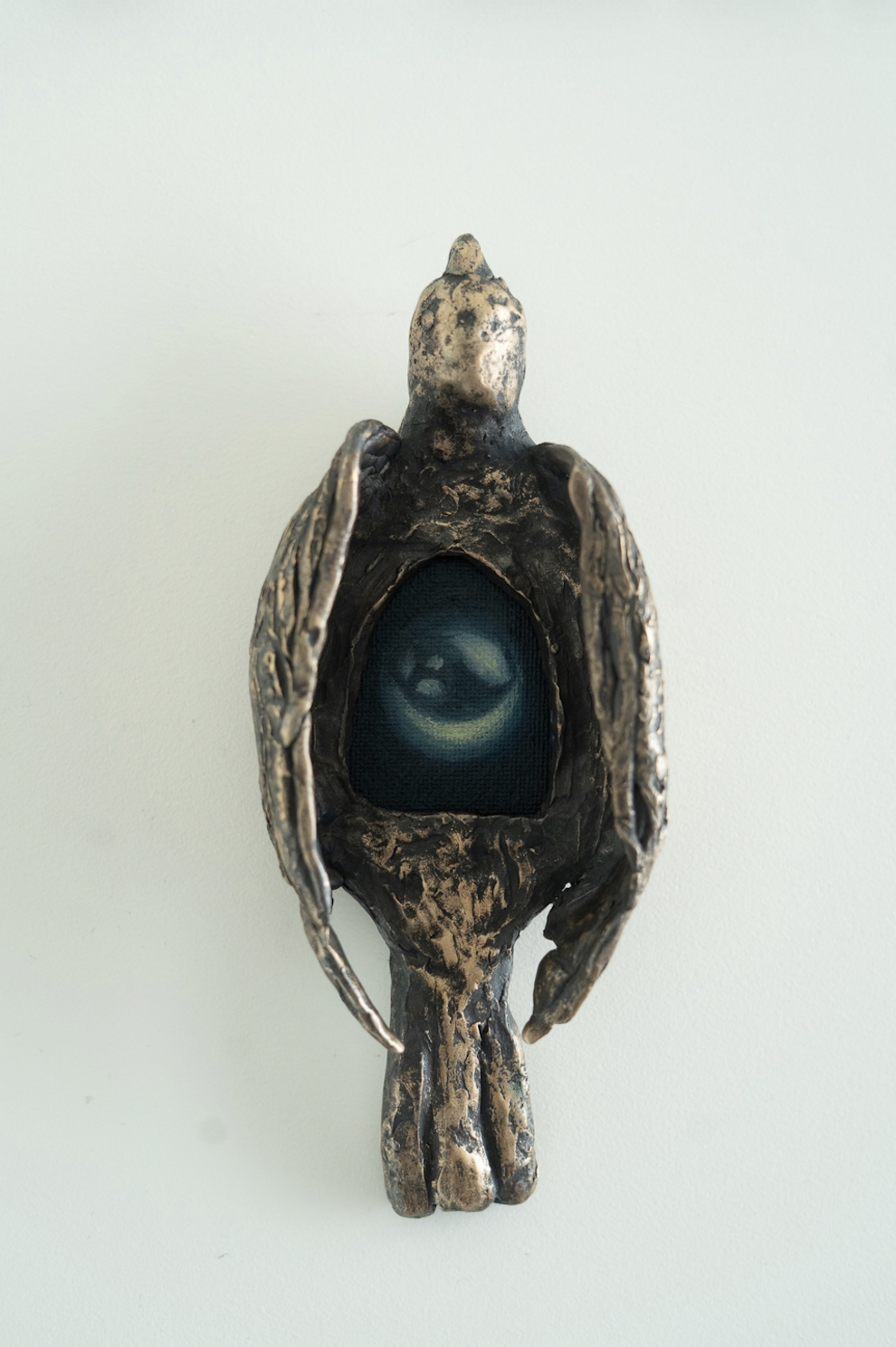
Miranda Mazuki
Flight
2026, oil on canvas, bronze, 18.5 x 8 x 4 cm
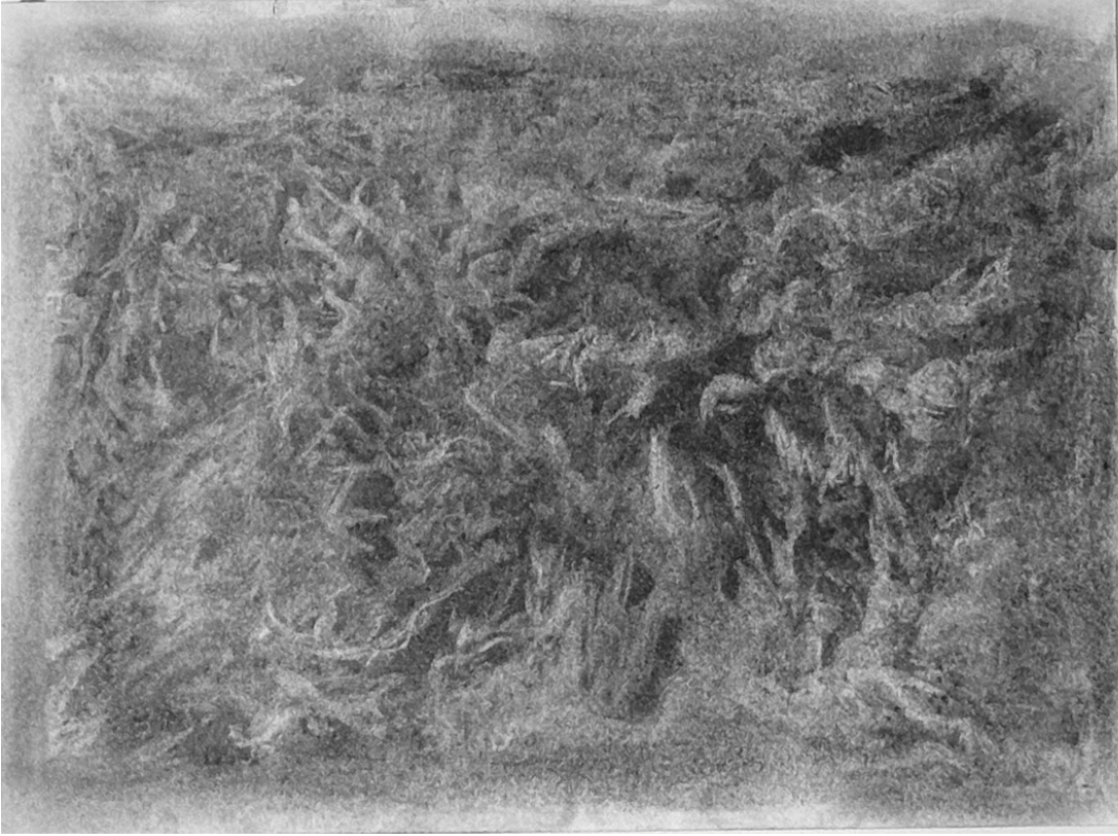
Miranda Mazuki
Flora et Fauna #1
2025, charcoal on paper, 21 x 28.5 cm
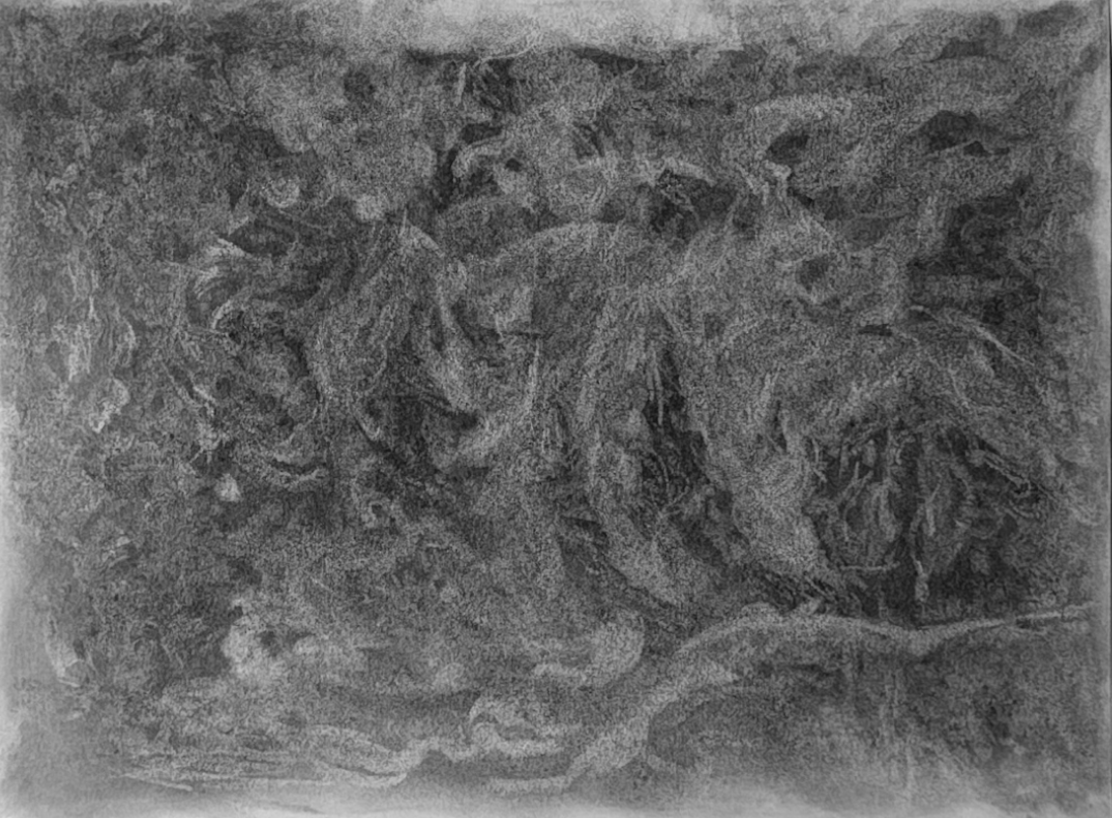
Miranda Mazuki
Flora et Fauna #2
2025, charcoal on paper, 21 x 28.5 cm
Media Links
| Melihat “Witness”, Pameran Solo Miranda Mazuki di ara contemporary | Dewi Magazine | Read |
| Future Tense dan Witness, Dua Pameran Seni Bicara soal Masa Depan dan Ingatan | Detik.com | Read |
| Menyoal Waktu Fan Ingatan, Dua Pameran Solo Hadir Di ara contemporary | Validnews | Read |
| Ara Contemporary Hadirkan Dua Pameran, dari Futurisme Dunia Ketiga hingga Ingatan yang Samar | Haroem Media | Read |
