Future Tense
26 September - 8 November 2026
Main gallery, ara contemporary, Jakarta, Indonesia
Within the framework of Third World idealism and speculative futurism is a slippage that structures imaginations of global world order. It is a slippage that allows for and speaks to the mutual constitution of categories, relationships to which orient Third World imaginaries: independence and ideology, postcolonial subjectivity and its neocolonial technomediations(particularly in the technology of the exhibition), vision as future-orientation vis-à-vis vision as phantasm or mirage. This is a productive slippage, especially from the vantage point of the contemporary moment where it unsettles the promised futurity of geopolitical projections and allows us to recast their teleologies.
In Future Tense, Arlette Quynh-Anh Tran cultivates these slippages, staging a Third World Pavilion where “the future is refracted through the prism of speculative Third World spirits and visions.” In Tran's work, this cultivation is not a purging of these unpredictable or unwieldy spirits and visions. She allows these slippages to shift and shape the contemporary narrations of Third World idealisms: from the vision of a Third World future to visions of aborted post-Cold War futures. In this sense, the exhibition does not become the decolonial project of attenuating these slippages. Instead, it becomes the more choreographic channeling or conducting the idealist dreaming that shaped these imaginations and their unraveling.
Taking cue from development of World Expos in the 1960s, particularly the artist's research on the New York World's Fair in 1964 and the Osaka Expo in 1970, Future Tense is a scenographicexperiment. For the artist: “It manifests not the destructive, techno-optimistic futurism that prides itself on Western capitalist modernity, often depicted in resolute lines, solidified and monumental materials, expressing the virile power of patriarchal politics.” By appropriating the built and visual language of the expo pavilion, Future Tense performs not a critical exorcism of these mystifications, but instead stages a séance—in which discursive, architectonic, and historical aspects are allowed to interact and interface with one another. In other words, instead of the cathartic expunging of these spirits and visions, casting the artistic project as an activity of séance reconfigures the Pavilion as a medium capable of mediating and remediating its potencies. The pavilion becomes the medium, not just literally—as a form—the pavilion, the exhibition, the installation, but also medium in the sense of a conduit for these spirits, visions, dreams. This affinity for staging and re-presenting finds congruence in the séance and the scene. The scenographic becomes a method of séance, the opening up of a medium for carrying through or channeling spirits, specters, phantasms.
In Future Tense, the exhibition space is divided into a more immersive and sensuous darkened area and a more intimate illuminated area. At the center of the space, within the darkened area, is Quantum Palm, “a large-scale sonic and thermal sculpture made of glass, joss-paper origami flowers dipped in clay, steel, and motor.” For the artist: “The Quantum Palm appears as a high-tech object, yet its core reference is the talipot palm in bloom. Native to Southeast and South Asia and later transplanted to South America, the talipot lives for decades, flowering once before it dies. This single, terminal bloom becomes a quiet image of sacrificial time spent all at once—a slow cancellation of the future.”
Quantum Palm exceptionally plays out the slippage alluded to earlier. The form itself slips from organic matter to synthetic form, synthetic matter to organic form. The talipot palm becomes an apparatus of glass, paper, and motor. Through the reference to the talipot palm, the monument acquires delicacy—ornate foliage and intricate flowers. The structure becomes simultaneously monument and landscape. In the performances developed for the exhibition, the sculpture becomes part of the performance environment—as a shadow play theater using moving spotlights.
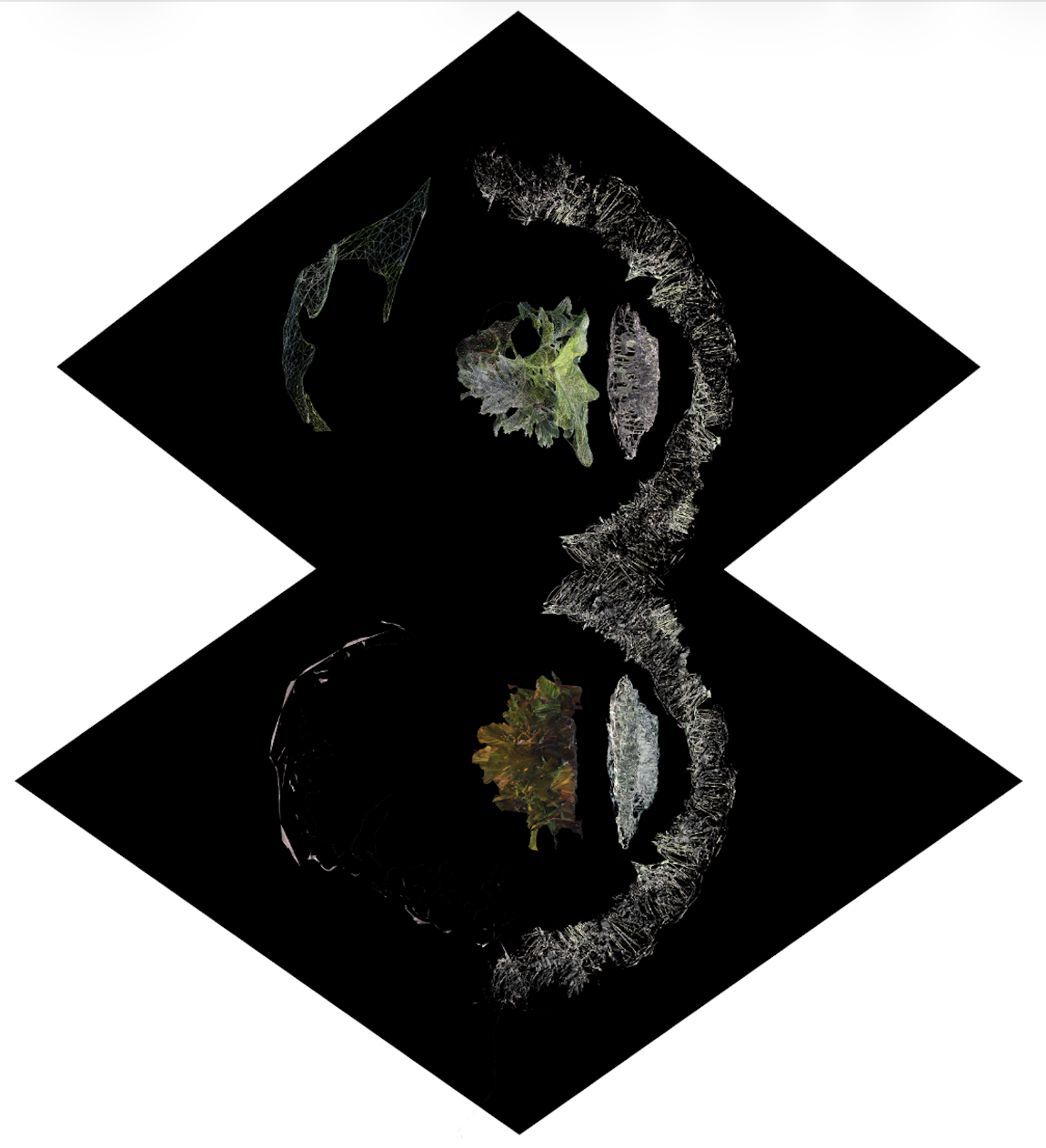
This formal slippage extends to other works in the exhibition. In Atlas of Nations, an ongoing project that started in 2024, imaginations of sovereignty are warped by the artist's affective responses to place. Tran uses various 3D scan data that she has collected throughout her travelsto create prints (UV print engraving). What comes out of this rendering are abstract patterns that appear to be suspended in a void: the certainty and finitude of cartographic representation mutates into fragments of organic forms floating or unfurling.
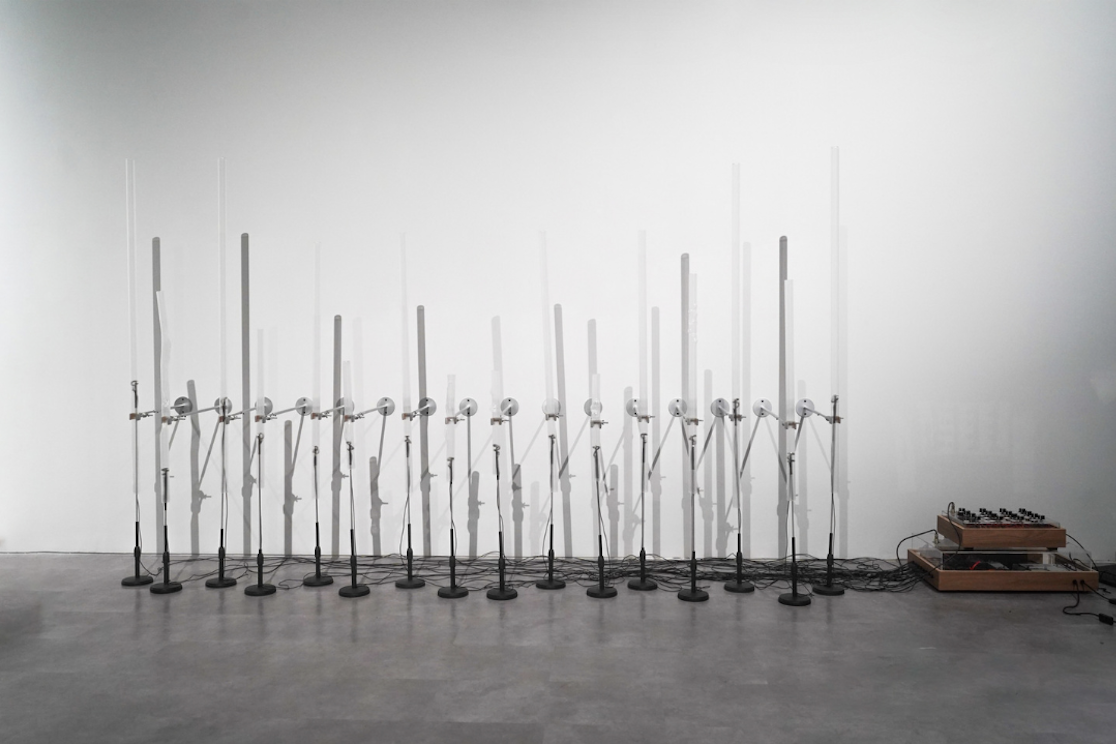
The monumental and spectacular unconscious of the pavilion is further diffused by its interests in the sonic and the thermal. In Invisible Anthem, mouth-blown glass tubes are fitted with a coil of metal. The metal is heated and air expands as it passes through it, creating sound. In collaboration with composer Nursalim Yadi Anugerah, Tran created a sound work using this thermoacoustic apparatus. The instrument produces a low drone, a hum that suffuses the entirety of the space. It is an atmospheric annotation that mediates the built component of the exhibition, renders it as an extensive environment. The interest is also explored in the video work titled Invisible Monument. Inspired by the idea of the “invisible monument” conceptualized by architects Kenzo Tange and Arata Isozaki for Osaka Expo '70 which “contemplates about the connection of space, infrastructure, technology and the network of spectators and intruders.” Tran describes the work as “an abstract moving image remix of various sources, from archives to thermal footage of glassblowing craftsmanship, and at times being manipulated by AI generative tool.”
The invisibility alluded in these works' titles provides a counterpoint to the visual and architectural imaginary of the pavilion, the logic of sheer visibility and presentation of expositions and exhibitions. It also speaks to how Future Tense can be read as a séance. Both the sonic and the thermal are nonvisual sensuous phenomena that haunt–so to speak–the built aspects of the pavilion.
The spectrality of the sonic and the thermal aspects of the works in the exhibition displace the monumentality of the pavilion form in other ways as well. For Future Tense, Tran has developed a choreographic score that activates some of the works at specific timings as part of the performance. Quantum Palm, Invisible Anthem, Invisible Monument play at specific intervals set by the score: lights and shadows traveling across the space, drone of the thermoacoustic instruments, video. This is a temporal and choreographic configuration that conjugates the exhibition in time and space. For the artist: “A lot of the works seem to move between states, silent and sounding, still and moving, material and projected, dormant and active. The exhibition feels less like one stable scene and more like several temporal systems coexisting, becoming active and latent at different moments.”
In playing with the temporal and the atmospheric, we are keen on inflections of “tense”—both in the sense of time but also (affective or social) state. These displacements of the monumental lean into the register of Third World imaginations that center on spirits, visions, and dreams,presenting a way of interrogating them without negating the polysemous potency of such immaterial frameworks for motivations and commitments. In contrast to the monumental'sarchitectures of idealization and dreaming, the visions of the Third World is a more precarious condition of atmospheric alloverness—a longing, a feeling, an intention that persists and persuades—sovereignty and solidarity—which the exhibition evokes, carries through, and holds under erasure, simultaneously.
Carlos Quijon Jr.
Artists

Artworks
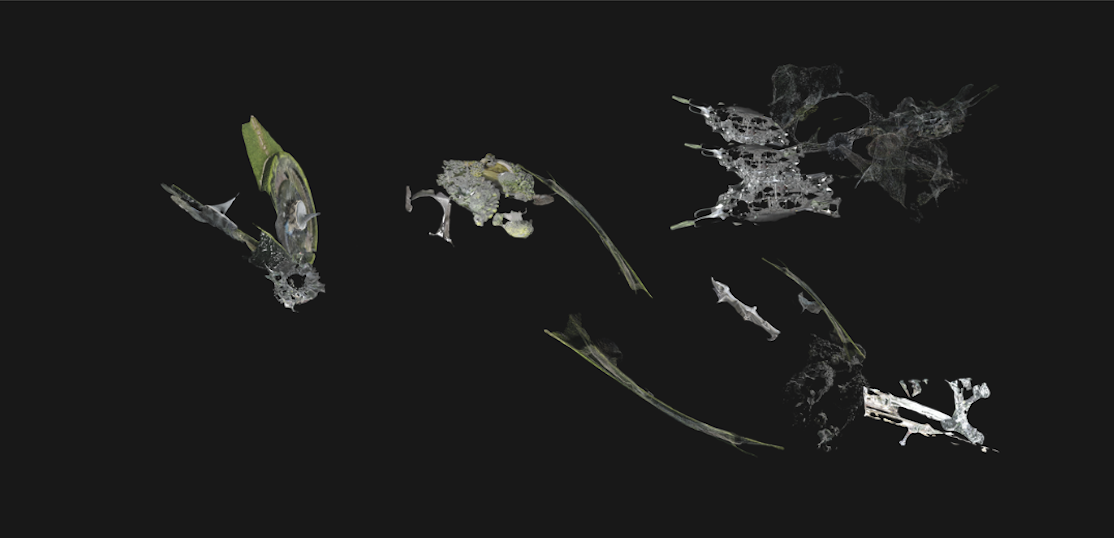
Arlette Quynh-Anh Tran
RVN_Fengshui
2026, UV print engraving, backlit aluminum frame, 98 x 200 x 6.5 cm, Edition of 3 plus 1 artist's proof
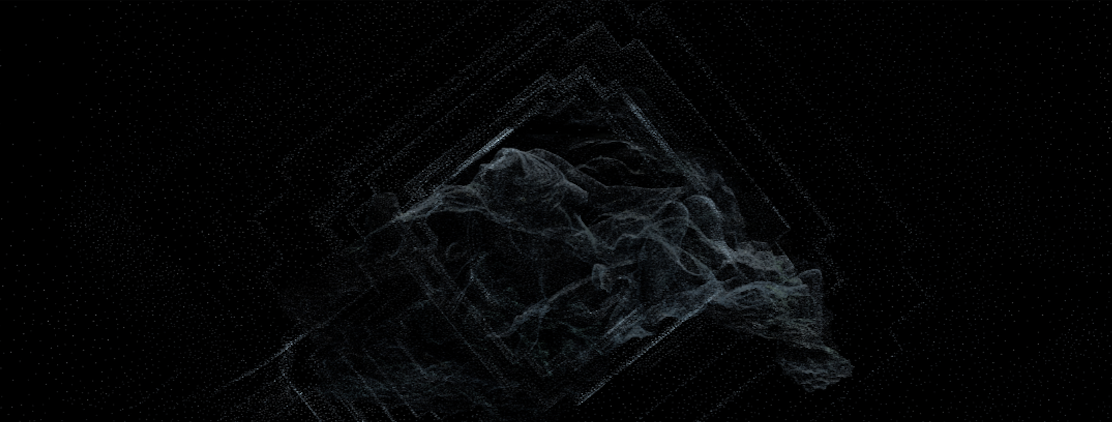
Arlette Quynh-Anh Tran
ICT Monument
2026, UV print engraving, backlit aluminum frame, 145 x 55 x 6.5 cm, Edition of 3 plus 1 artist's proof
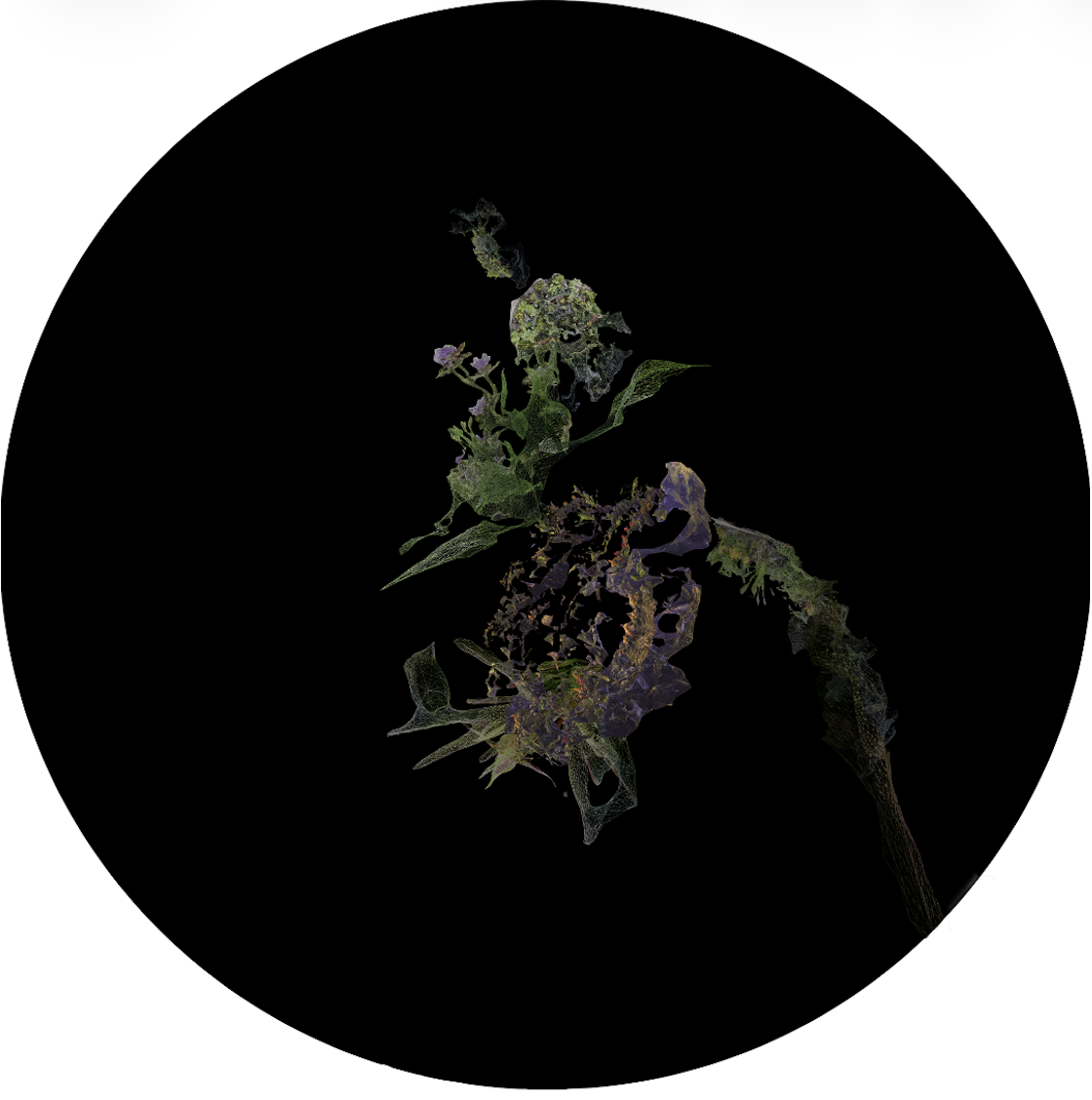
Arlette Quynh-Anh Tran
SGN_Grace
2026, UV print engraving, backlit aluminum frame, 100 x 6.5 cm, Edition of 3 plus 1 artist's proof
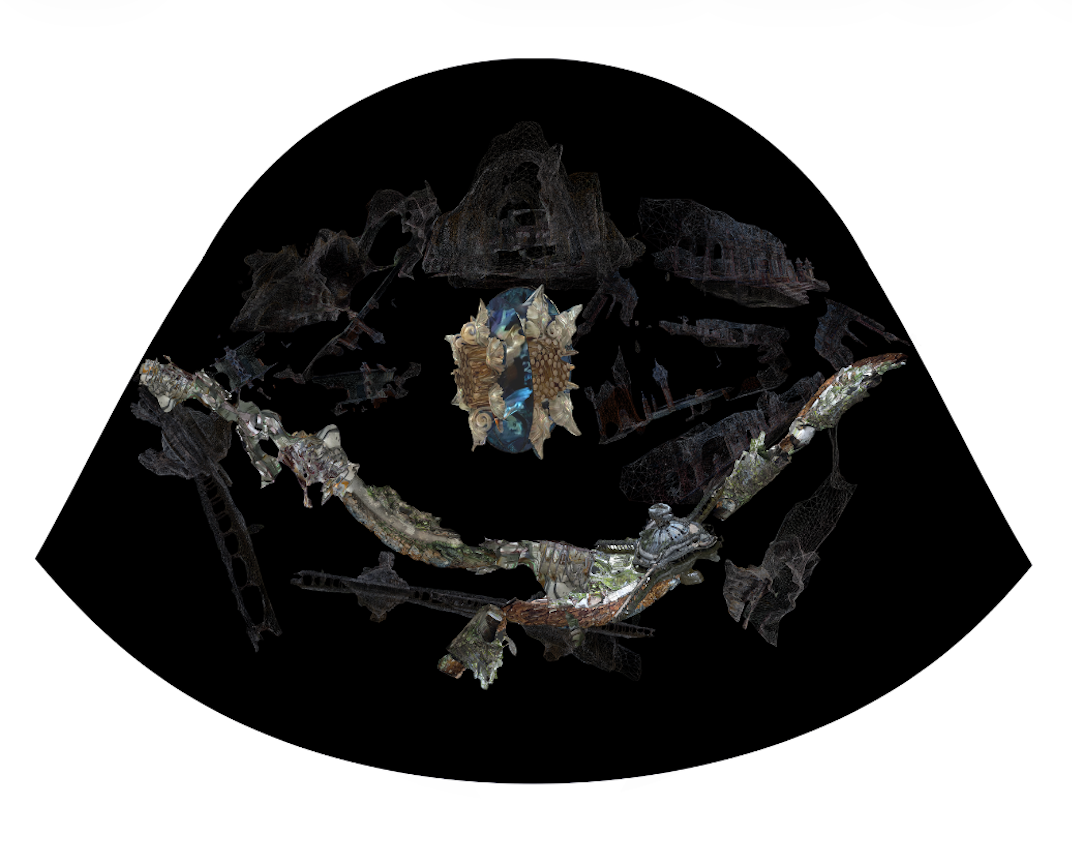
Arlette Quynh-Anh Tran
HUI Land of Underworld
2026, UV print engraving, backlit aluminum frame, 100 x 73 x 6.5 cm, Edition of 3 plus 1 artist's proof
Arlette Quynh-Anh Tran
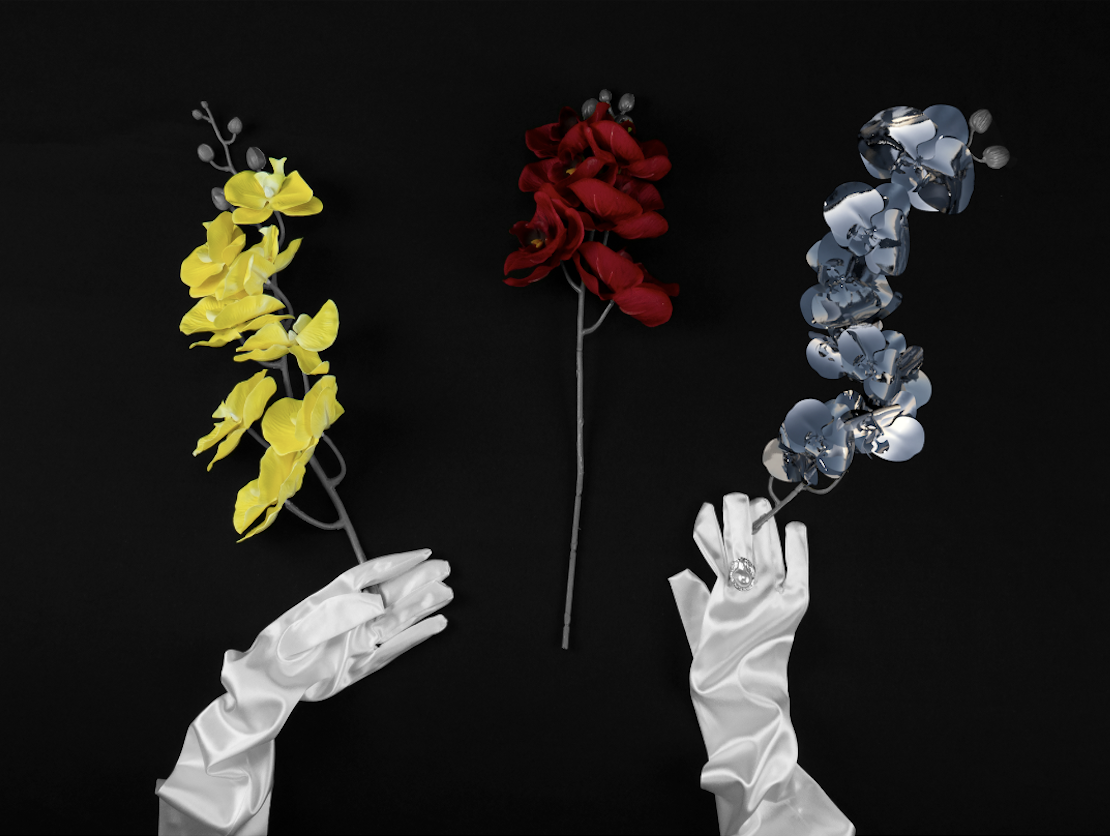
HUI_Consanguinity
2026, UV print engraving, backlit aluminum frame, 100 x 90 x 6.5 cm, Edition of 3 plus 1 artist's proof
Arlette Quynh-Anh Tran
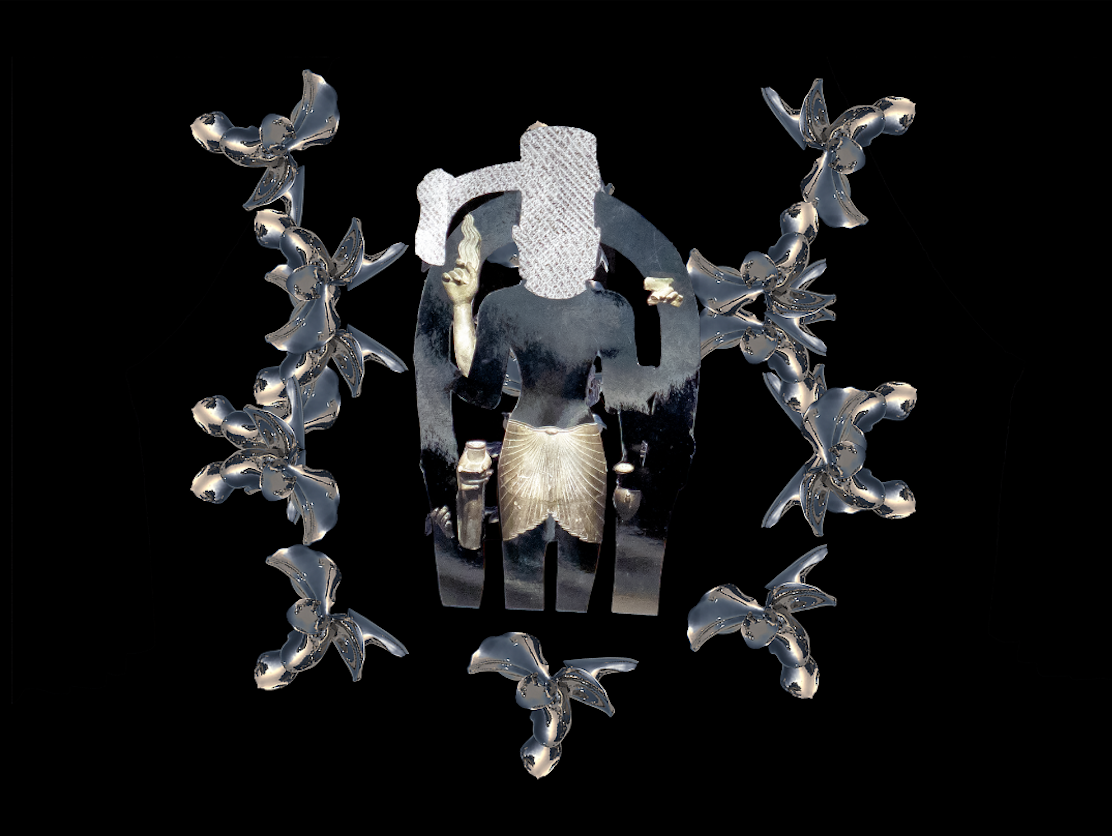
Technochrome Diplomatic Gift
2026, serigraphy, 41 x 59 cm, Edition of 5 plus 2 artist's proofs
Arlette Quynh-Anh Tran
The Twirling Ambassador
2026, serigraphy, 41 x 59 cm, Edition of 5 plus 2 artist's proofs
Arlette Quynh-Anh Tran
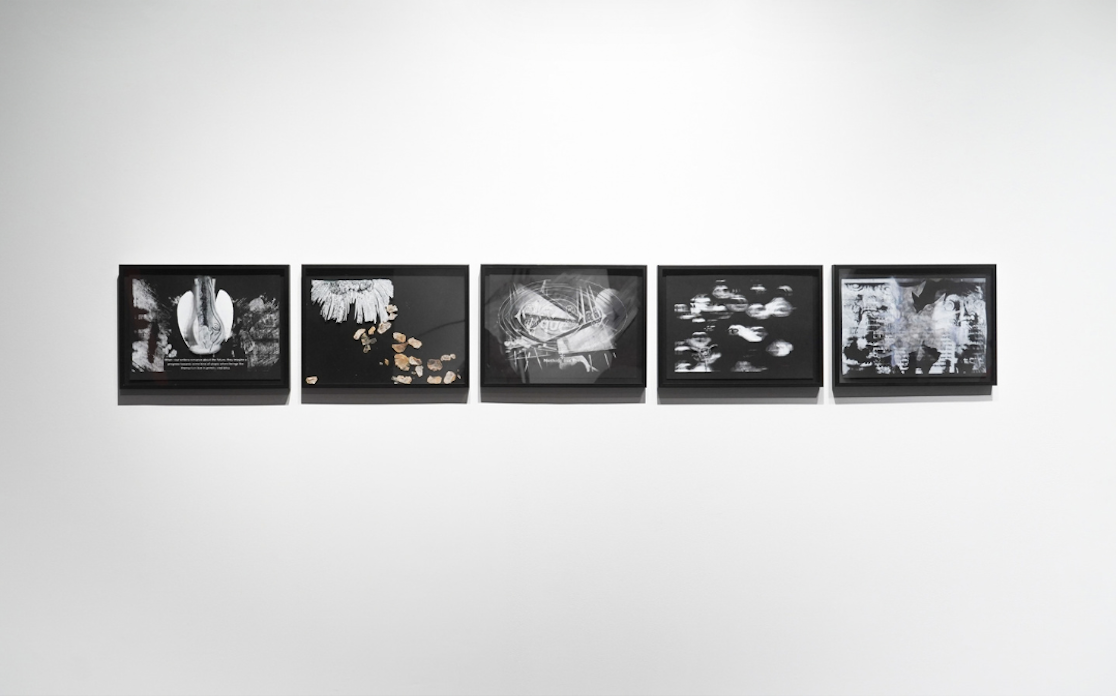
OCCUPYING THE MODERNS
2026, serigraphy, acrylic, ink, mylar paper, natural mica mineral, 33.7 x 46 cm (each)
.png)
Arlette Quynh-Anh Tran
Quantum Palm
2026, glass, joss-paper origami flowers dipped in clay, steel, spotlights, motor, TBA, Edition of 1 plus 1 artist's proof
Arlette Quynh-Anh Tran
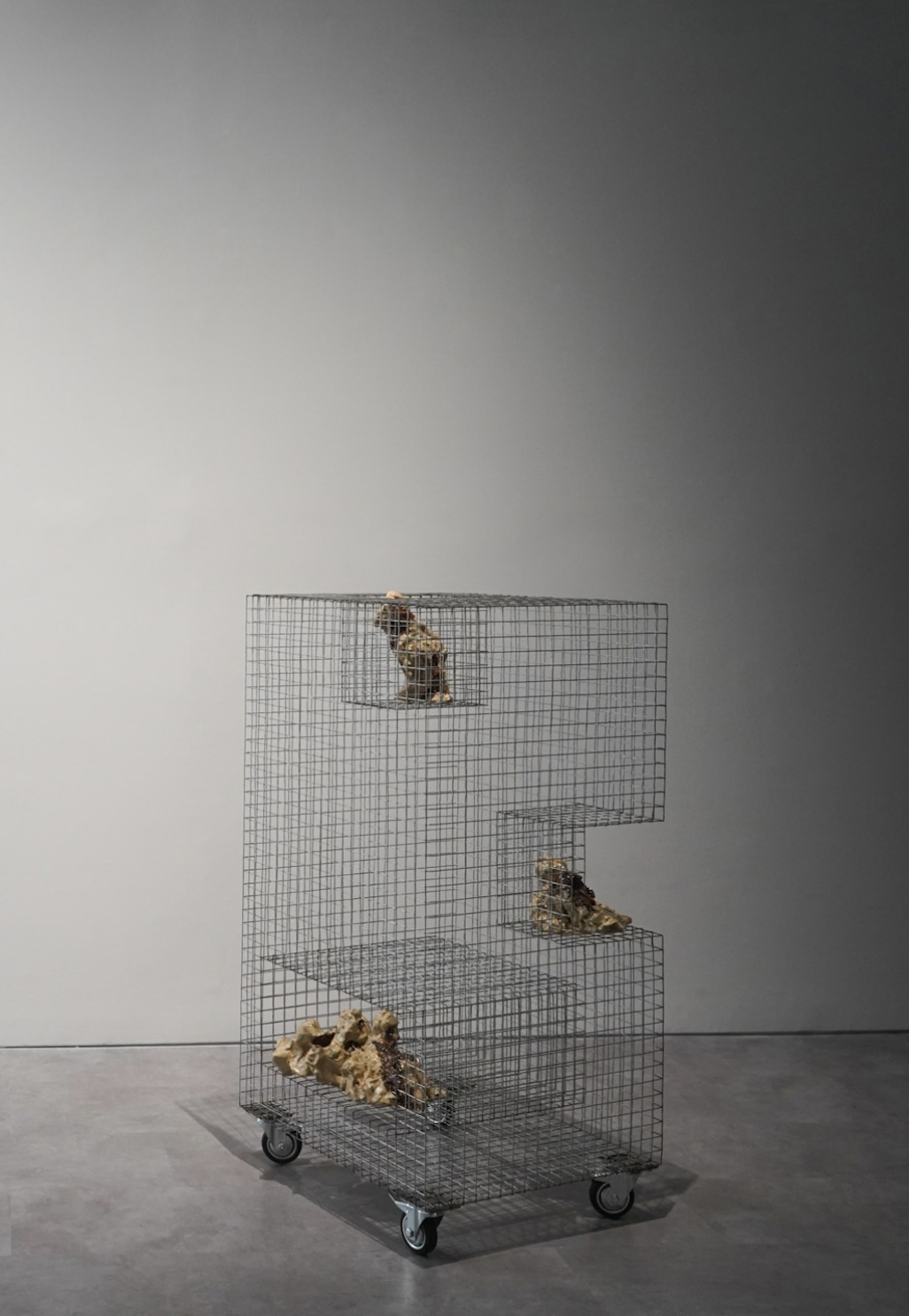
THE OBLIGATION TOWARD THE DIFFICULT WHOLE
2026, joss-paper bóng roi tower dipped in clay, glaze, metal, wheels, 100 x 60 x 50 cm
Arlette Quynh-Anh Tran
Invisible Anthem
2026, glass tube, metal, cooper, micro controller, heater system, variable dimensions, Edition of 1 plus 1 artist's proof
Media Links
| Melihat “Witness”, Pameran Solo Miranda Mazuki di ara contemporary | Dewi Magazine | Read |
| Future Tense dan Witness, Dua Pameran Seni Bicara soal Masa Depan dan Ingatan | Detik.com | Read |
| Menyoal Waktu Fan Ingatan, Dua Pameran Solo Hadir Di ara contemporary | Validnews | Read |
| Ara Contemporary Hadirkan Dua Pameran, dari Futurisme Dunia Ketiga hingga Ingatan yang Samar | Haroem Media | Read |
